
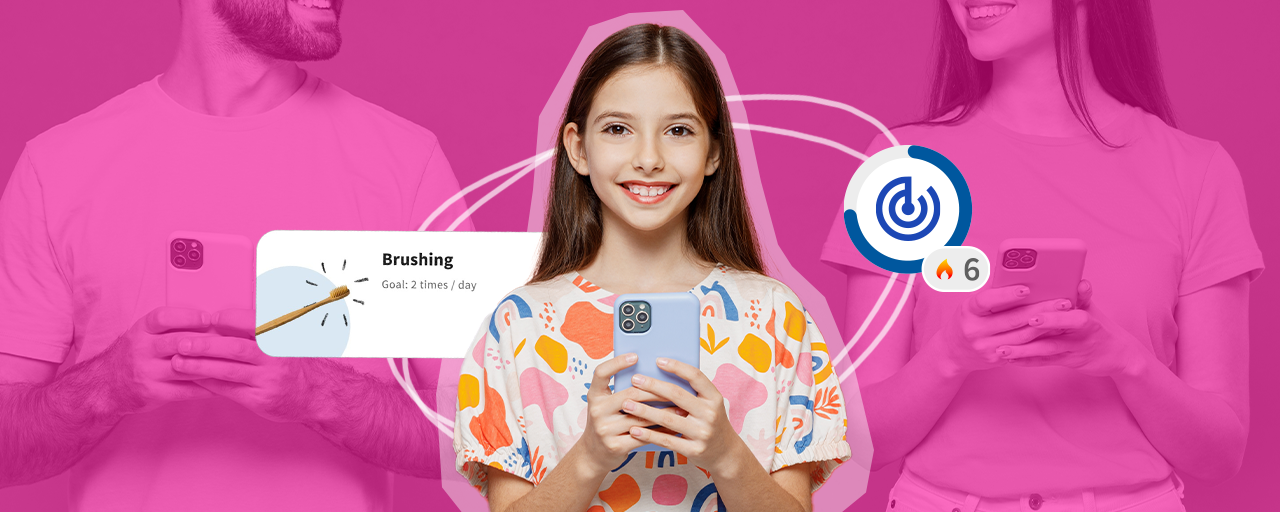
How Activity Loops Use the Four Laws of Behavior Change to Help Patients Build Better Habits
What Are Activity Loops and Why Do They Work?
Activity Loops are a feature in the Patient Rewards Hub that helps patients build healthy habits by applying the Four Laws of Behavior Change: make the cue obvious, make the goal attractive, make the action easy, and make the result satisfying. These principles, inspired by behavioral science and popularized by James Clear in Atomic Habits, increase the likelihood that patients will consistently complete desired actions and reinforce positive behavior over time.
What Are the Four Laws of Behavior Change?
The Four Laws of Behavior Change are a framework from James Clear’s Atomic Habits, explaining how habits form and how to make good habits stick. They help shape the “habit loop” — cue, craving, response, and reward — which drives our behavior.
The Four Laws:
- Make it obvious — create clear cues for the behavior
- Make it attractive — connect action to motivation
- Make it easy — lower friction and simplify the action
- Make it satisfying — provide feedback or reward that reinforces the behavior
Understanding these laws helps you design experiences that make desired behaviors easier to adopt and repeat.

How Activity Loops Apply Each Law to Help Patients:
Make It Obvious: Prompt the Habit
To build a habit, people first need to notice the cue.
How Activity Loops Do This:
- Patients receive push notifications on their phone reminding them to check in or complete a task.
- Phones are a constant part of daily life, the average person checks theirs 144x a day, making the cue nearly impossible to miss.
Why It Matters: Clear, frequent cues increase the chance that patients will act on the behavior you want them to reinforce.
Make It Attractive — Link Behavior to Meaning
People are more likely to act when they want to, not just need to.
How Activity Loops Do This:
- When a patient sets a goal (their Activity Loop), they are encouraged to visualize success and think about “what success looks like.”
- Positive reinforcement like streaks, encouragement messages, and milestones makes the experience feel rewarding.
Result: The behavior becomes associated with positive anticipation and emotion, boosting intrinsic motivation.
Make It Easy — Reduce Friction
The easier an action is, the more likely someone will do it.
How Activity Loops Do This:
- Once a patient taps a notification, they can check in with just one more tap.
- The whole process takes about ten seconds, minimizing effort and mental load.
Lesson: Removing barriers, like complex steps or friction, dramatically increases consistency.
Make It Satisfying — Reinforce the Behavior
Habits stick when they feel good to complete.
How Activity Loops Do This:
- Patients experience satisfaction from finishing the loop itself.
- The app enhances this with celebratory moments with pop‑ups, confetti animations, and immediate feedback.
- Patients also earn points in their Hub when they complete loops, which reinforces continued engagement.
Why It Works: Immediate rewards trigger positive reinforcement, making it more likely that patients repeat the behavior.
Why These Laws Work Together
Each law targets a different part of the habit cycle, from noticing the cue to enjoying the reward. When all four elements are in place, the brain’s habit loop: cue → craving → response → reward, becomes easier to activate and repeat, making lasting behavior change more achievable.
Frequently Asked Questions (FAQ)
Q: What is an Activity Loop?
An Activity Loop is a structured repeatable task or goal in Culturello designed to reinforce healthy behavior by guiding patients through the Four Laws of Behavior Change with reminders, ease of action, and positive feedback.
Q: Where do the Four Laws of Behavior Change come from?
They are a framework from Atomic Habits by James Clear that explains how to shape habits by making them obvious, attractive, easy, and satisfying.
Q: How do notifications improve habit formation?
Notifications serve as clear cues, one of the first steps in creating a habit, and they reduce the chance patients will forget to act.

